Domain Forward vs Namecheap Forwarding
Namecheap includes free URL redirect with domain registration, but it breaks when you use custom nameservers and doesn't support HTTPS. Here's the full comparison.
Feature-by-Feature Comparison
Namecheap's forwarding is a basic registrar feature. Domain Forward is a dedicated service.
| Feature | Domain Forward | Namecheap Forwarding |
|---|---|---|
| Automatic HTTPS on source domain | ||
| Default redirect type | 301 (permanent) | 302 (temporary) or 301 |
| Redirect analytics | ||
| REST API | ||
| Path forwarding | Limited | |
| Query string preservation | Inconsistent | |
| URL masking | Premium+ ($15/mo) | Yes (iframe-based) |
| Wildcard subdomains | Ultimate plan ($99/mo) | |
| Works with custom nameservers | ||
| Cost | Free (5 hostnames) | Free (with Namecheap domain) |
| Requires Namecheap DNS | Yes (BasicDNS or PremiumDNS) | |
| Subdomain forwarding | Yes (under Namecheap DNS) |
Where Namecheap Forwarding Works
If your domain is on Namecheap, you use Namecheap's own nameservers (BasicDNS or PremiumDNS), and you need a basic redirect without HTTPS or analytics requirements — Namecheap's built-in redirect is free and works fine. It supports both 301 and 302 options and URL masking via iframe.
The Custom Nameserver Problem
The biggest limitation of Namecheap forwarding is the nameserver lock-in. Many businesses use Cloudflare, Route 53, or other DNS providers for performance and security. The moment you switch away from Namecheap's nameservers, their forwarding feature silently stops working. Your domain just stops redirecting with no error message. Domain Forward works regardless of your nameserver setup — point your A record or CNAME to us, and it works.
Where Domain Forward Wins
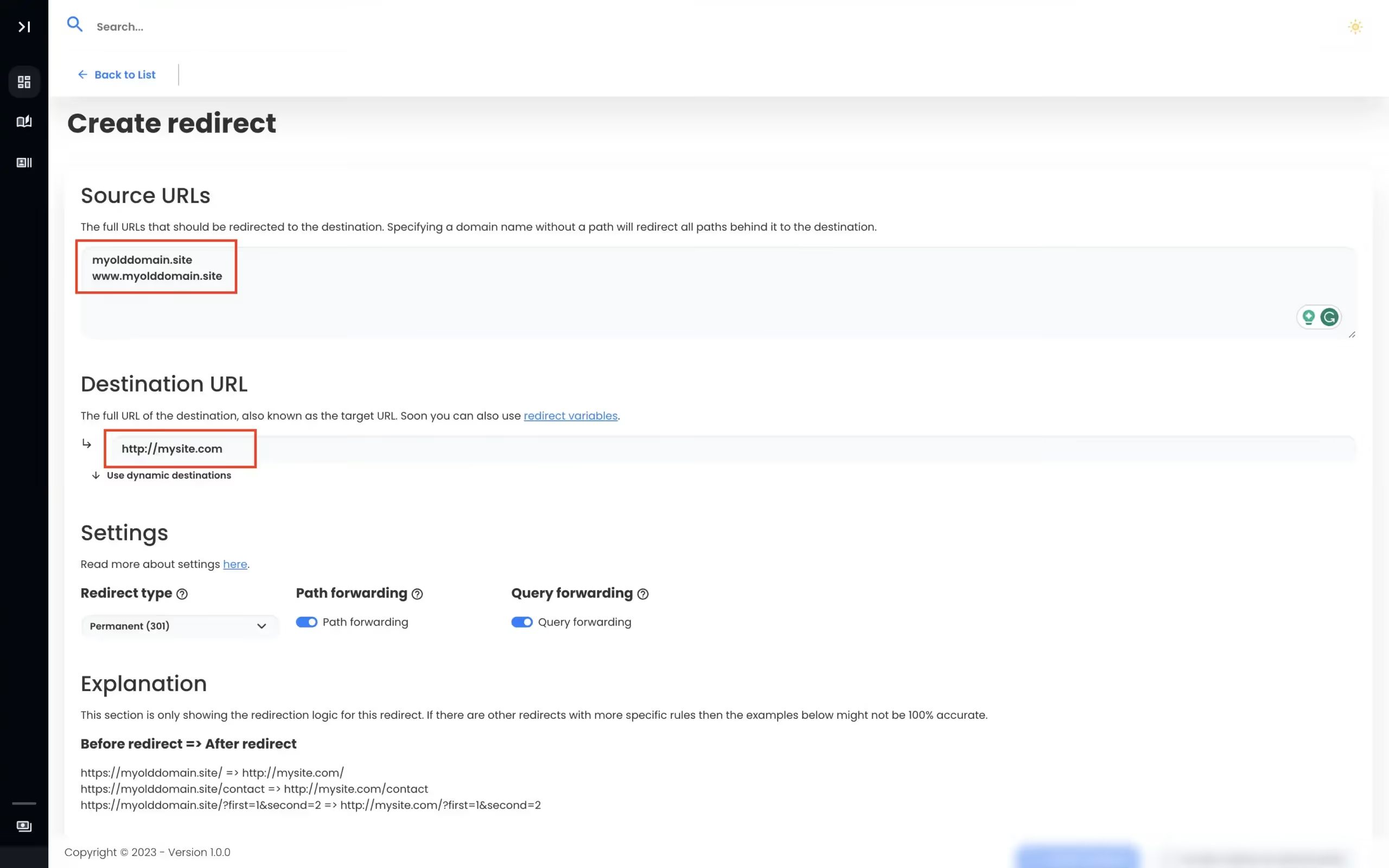
Domain Forward gives you automatic HTTPS on every forwarded domain, 301 redirects by default, redirect analytics, API access, path forwarding with query string preservation, and compatibility with any DNS provider. There's no nameserver lock-in. It also means you can use Cloudflare for DNS performance/security while still forwarding domains through Domain Forward.
View Domain Forward PricingFrequently
asked questions
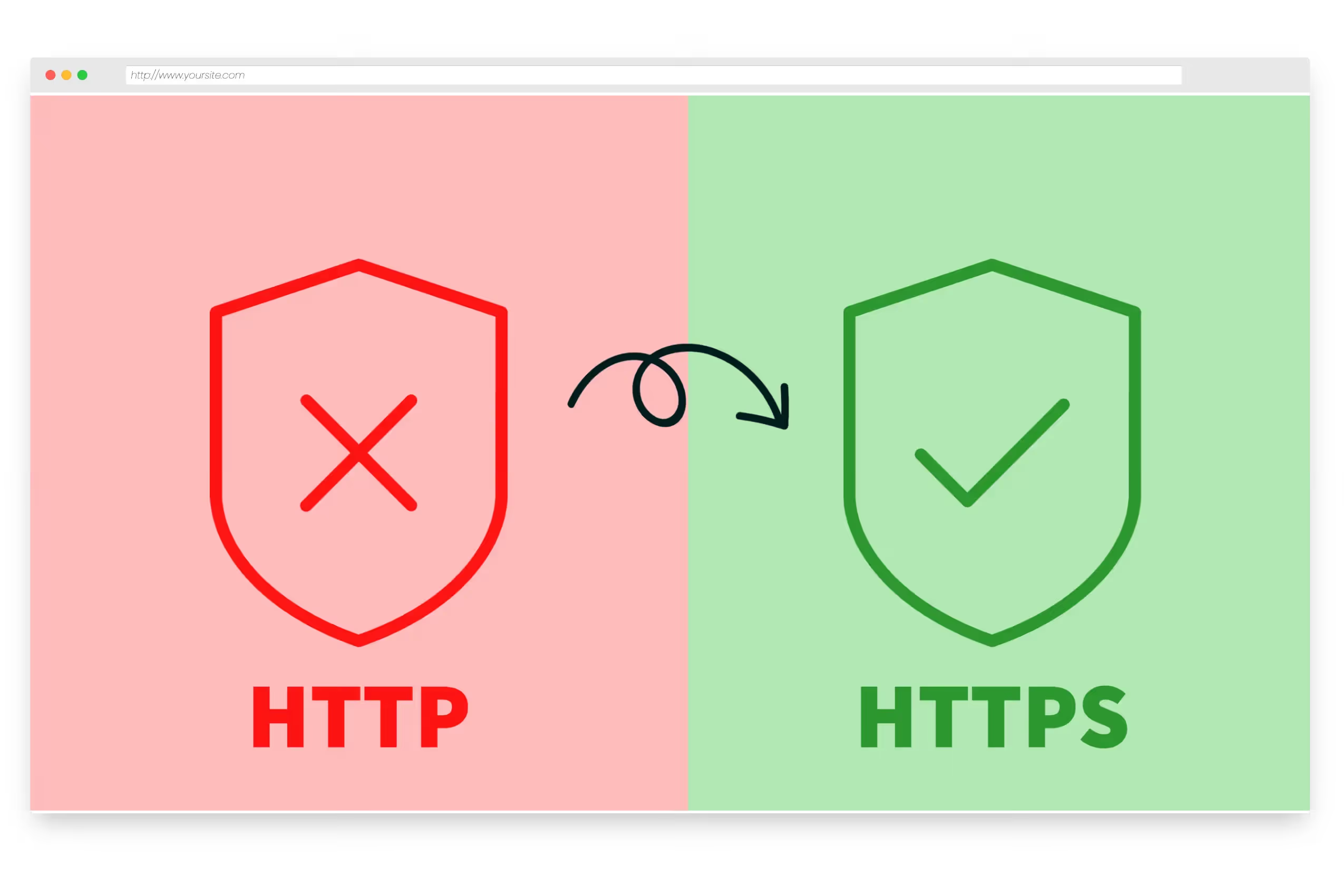
No. Namecheap's URL redirect feature does not provision SSL certificates for the source domain. HTTPS requests to your forwarded domain will fail with a certificate error. Domain Forward auto-provisions Let's Encrypt certificates for all forwarded domains.
Namecheap's URL redirect feature works by injecting special DNS records through their own nameservers (BasicDNS or PremiumDNS). When you switch to external nameservers (Cloudflare, Route 53, etc.), Namecheap can no longer inject these records, so forwarding stops working.
Yes. You can keep your domain registered at Namecheap and use any nameservers. Point your domain's A record or CNAME to Domain Forward's servers. Our blog has a detailed step-by-step guide for Namecheap DNS configuration.
Yes. In Namecheap's redirect settings, you can choose between "Permanent (301)" and "Unmasked" (302) redirect types. However, this only works when using Namecheap's own nameservers and doesn't include HTTPS on the source domain.
Forwarding That Works With Any Nameserver
Keep your Namecheap domain. Use any DNS provider. 5 domains free.